Introduction:
Fashion modeling is a captivating and glamorous industry that allows individuals to express their creativity and showcase their unique sense of style. Whether you dream of walking the runway, gracing the pages of a magazine, or simply want to exude confidence and style in your everyday life, mastering the art of modelling is essential. In this step-by-step guide, we will explore the key elements of modeling and provide you with valuable tips and techniques to unleash your inner fashion icon.
1. Developing Confidence:
Modeling requires a strong sense of confidence and self-assuredness. To begin, start by taking care of yourself both mentally and physically. Engage in activities that boost your self-esteem, such as exercise, meditation, or practicing positive affirmations. It's important to believe in your abilities and trust your instincts. With a positive mindset, you'll be able to conquer any modeling challenge that comes your way.
2. Understanding Body Language:
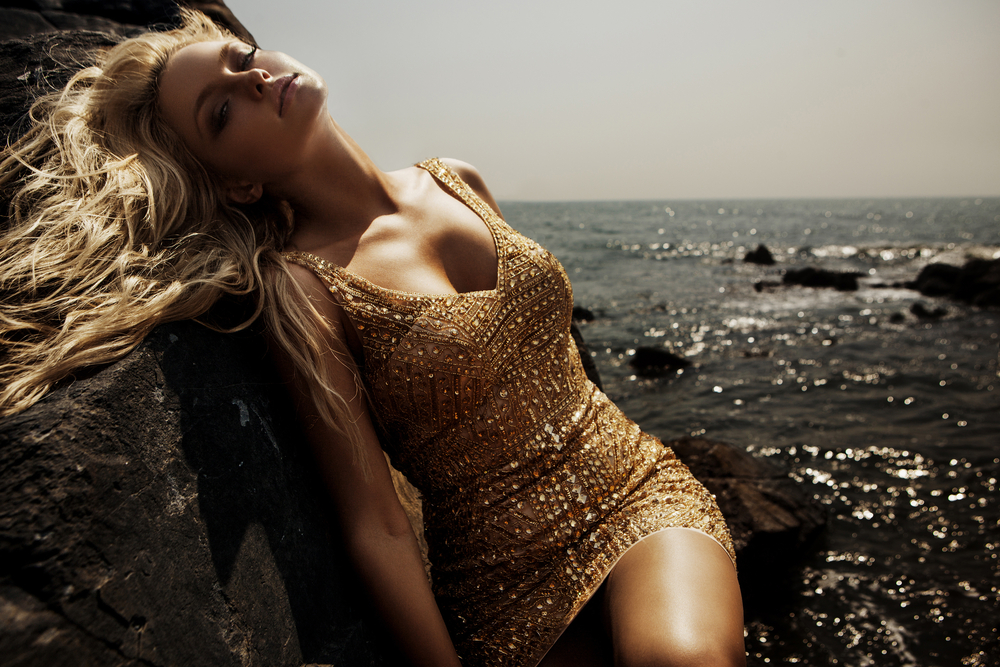
Body language plays a crucial role in modeling. Models are known for their grace and poise, so it's important to master the art of elegant movements. Practice walking with confidence and maintaining an upright posture. Be aware of your facial expressions and learn to convey different emotions depending on the desired look. Additionally, familiarize yourself with the basics of posing, including the popular poses used in fashion photography.
3. Nurturing Your Personal Style:
Fashion models are known for their distinct and unique styles. Experiment with different looks to find your signature style. Keep up with the latest fashion trends, but also don't be afraid to incorporate your personal preferences. Dress in ways that highlight your best features and make you feel comfortable and confident. Remember, fashion is a form of self-expression, so embrace your individuality!
4. Building a Modeling Portfolio:
Creating a modeling portfolio is essential for anyone aspiring to enter the fashion industry. Your portfolio should showcase your versatility and ability to embody different looks. Include a variety of professional photographs that highlight your strengths, such as headshots, full body shots, and close-ups. Consider hiring a professional photographer to ensure high-quality images that capture your unique appeal.
5. Networking and Professionalism:
Networking is a crucial aspect of the modeling industry. Attend fashion events, connect with photographers, makeup artists, and stylists to expand your professional circle. Joining online modeling forums and communities can also provide valuable connections and insights. Additionally, professionalism is key. Always arrive punctually to castings and shoots, maintain a positive attitude, and treat everyone with respect and kindness.
6. Agency Representation:
If your modeling aspirations are more directed towards the fashion industry, securing representation with a reputable modeling agency can greatly enhance your career prospects. Research different agencies that align with your goals and submit your portfolio for consideration. Remember, it's important to carefully read and understand any contracts before signing with an agency.
7. Embracing Rejection and Perseverance:
One of the inevitable challenges in the modeling industry is facing rejection. Not every audition or casting will lead to success, but it's important to view each experience as an opportunity to learn and grow. Develop a strong mindset and don't let rejection discourage you. With perseverance and a positive attitude, you can overcome any setback and achieve success in the world of modeling.
Frequently Asked Questions:
Q1. How can I become a successful fashion model?A1. To become a successful fashion model, it is important to develop confidence, hone your body language skills, nurture your personal style, and build a professional portfolio. Additionally, networking and professionalism are crucial aspects of the industry.
Q2. What should I include in my modeling portfolio?
A2. Your modeling portfolio should include a variety of professional photographs that showcase your versatility and ability to embody different looks. Headshots, full body shots, and close-ups are all essential components.
Q3. How do I find a reputable modeling agency?
A3. Research different modeling agencies that align with your goals and values. Look for agencies that have a good reputation within the industry and positive reviews from their models.
Q4. How should I handle rejection in the modeling industry?
A4. Rejection is a part of the modeling industry, and it's important to not let it discourage you. View each experience as an opportunity to learn and grow, and maintain a positive attitude. With perseverance, you can overcome any setback.
Q5. Can I pursue a modeling career without agency representation?
A5. While agency representation can greatly enhance your career prospects, it is possible to pursue a successful modeling career independently. Use social media platforms and online communities to connect with photographers, designers, and potential clients.
Conclusion:
Becoming a fashion model is an exciting journey that requires dedication, self-confidence, and a keen sense of personal style. By following the step-by-step guide outlined above, you can unleash your inner fashion icon and embark on a fulfilling career in the modeling industry. Remember to stay true to yourself, embrace challenges, and never stop pursuing your dreams.
Other useful resources
- https://www.planetmodelphoto.com/models/modeling/usa/wilmington/nc-north-carolina
- https://en.wikipedia.org/wiki/Category:Modeling_agencies
- https://en.wikipedia.org/wiki/Category:Models_by_modeling_agency
- https://en.wikipedia.org/wiki/Category:Modeling_(profession)